Intracytoplasmic Sperm Injection (ICSI) is a micromanipulation technique in which a single sperm is injected directly into the cytoplasm of a mature oocyte. It's used when conventional insemination is unlikely to succeed — low sperm count, poor motility, abnormal morphology, or previous fertilization failure.
ICSI isn't one action but a sequence of controlled steps, each depending on the right consumable being ready at the right moment: the correct dish under the microscope, a pipette with the right tip geometry, a tube built for centrifugation. This guide walks through that workflow stage by stage, and points out where specific consumables from Paras Enterprise fit, for readers who also need to source them.
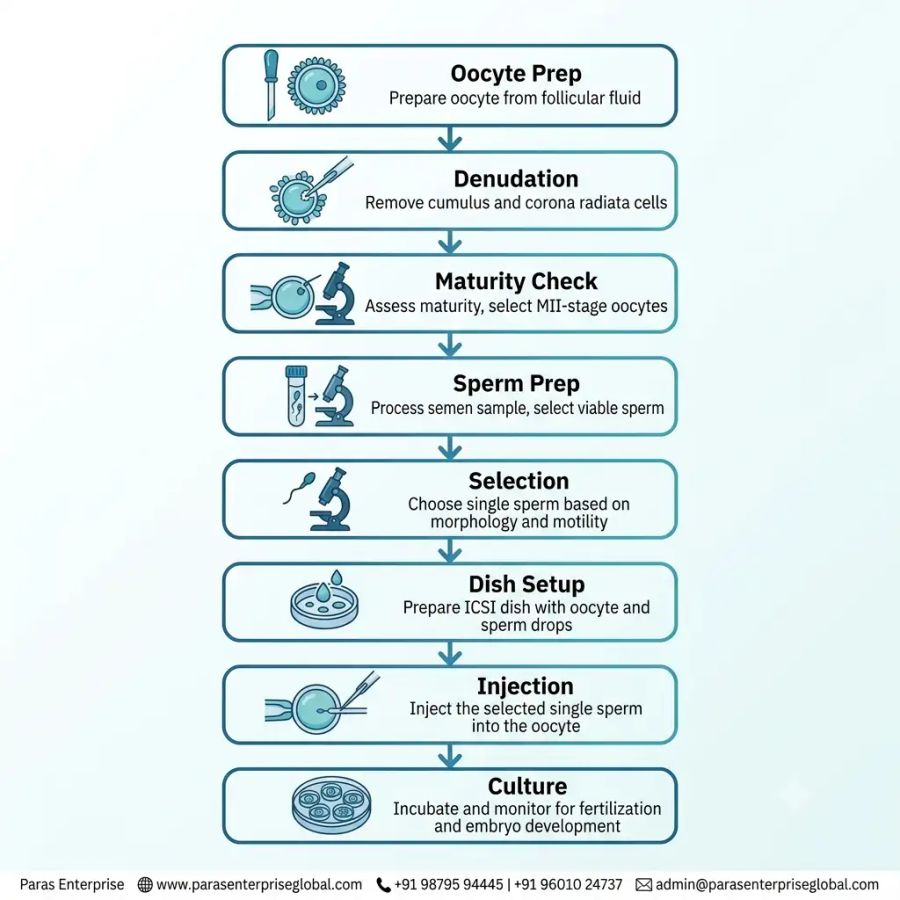
The ICSI Workflow at a Glance
Oocyte Prep → Denudation → Maturity Assessment
│
Sperm Sample → Wash/Separation → Selection & Immobilisation
│
ICSI Dish Setup
│
Oocyte Holding → Sperm Loading → Microinjection
│
Post-Injection Handling → Embryo Culture
Oocyte Preparation
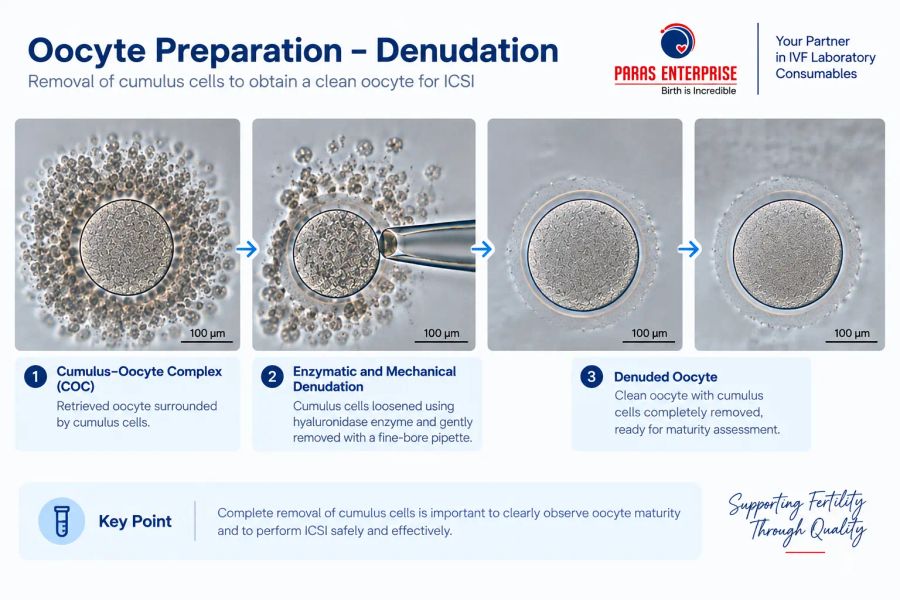
Denudation. Retrieved oocytes are still surrounded by their cumulus-corona complex when they arrive in the lab. Before injection, this layer must be removed — briefly exposing the oocyte to hyaluronidase enzyme to loosen the cumulus cells, then gently stripping them mechanically with a fine-bore pipette. Too much force risks damaging the oocyte membrane; too little leaves cells behind that obscure the view later.
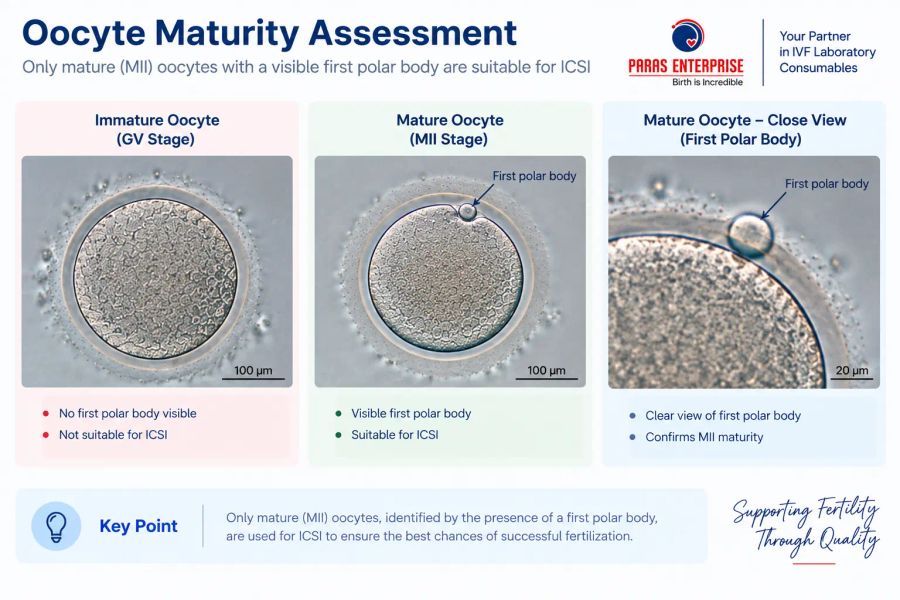
Maturity assessment. Only mature (MII) oocytes, identified by the presence of a first polar body, are suitable for injection. This check happens in a clear, flat-bottomed dish — an uneven surface or optical striations make it harder to judge maturity confidently at high magnification, which is why dish clarity matters even before micromanipulation begins.
Sperm Preparation
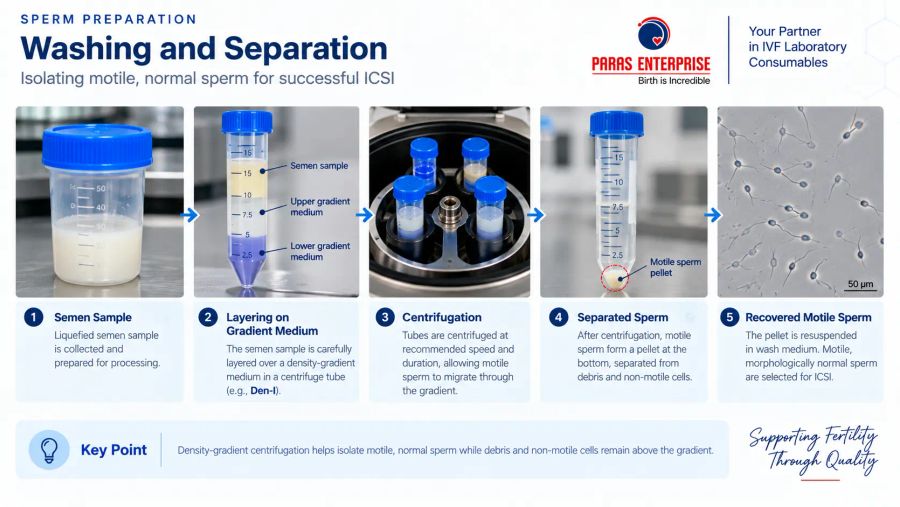
Washing and separation. The semen sample is processed to isolate motile, normal sperm, usually through density-gradient centrifugation: the sample is layered over a gradient medium and spun, so motile sperm migrate through while debris and dead cells stay behind. This step depends on tubes that hold up through repeated spins and a gradient medium formulated for sperm separation specifically.
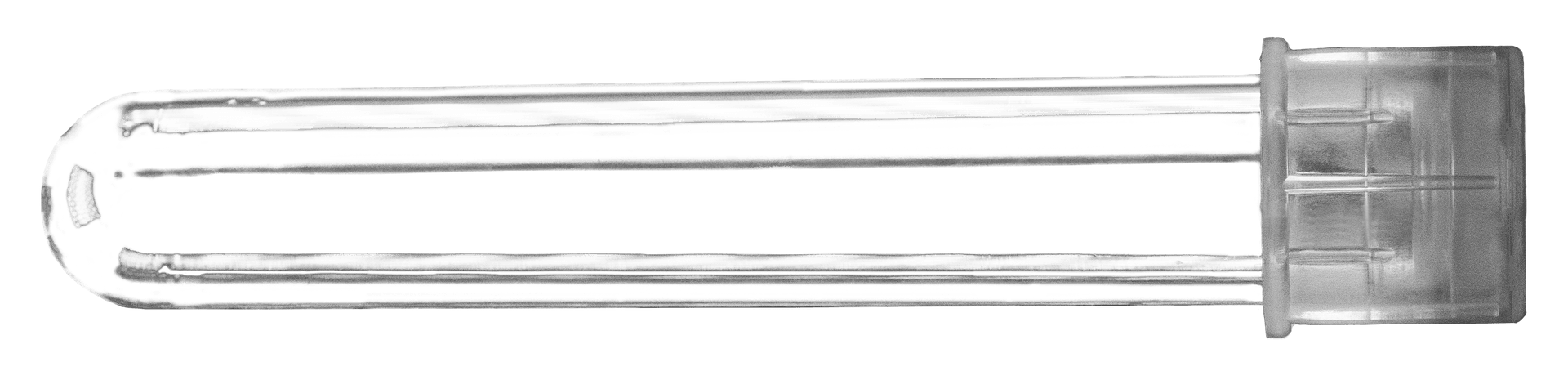
Paras Enterprise's 5 mL Round Bottom Tube is built for this — a dual-position cap (fully closed/vented), medical-grade PP with a snap-lock design, and triple testing (MEA, endotoxin, sterility). View product →
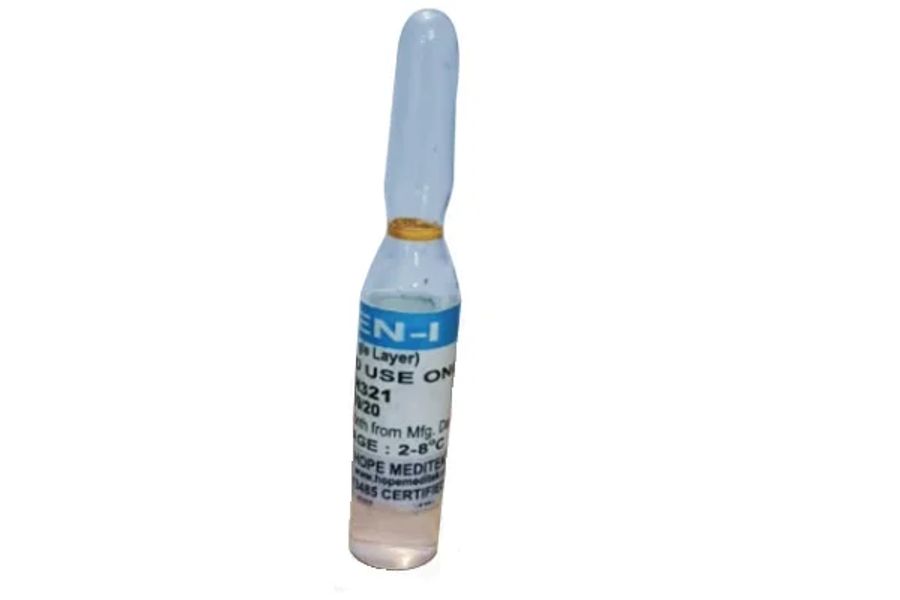
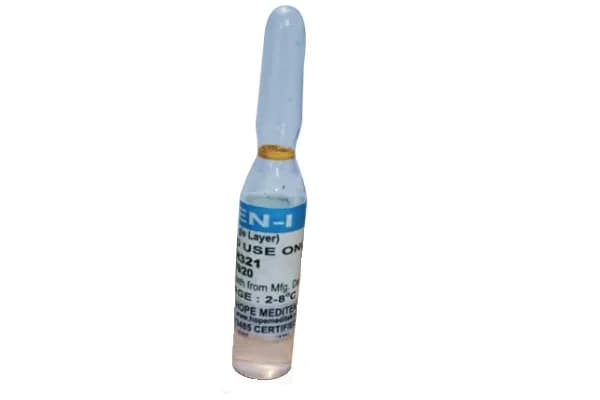
For the gradient step, Den-I is a single-layer gradient system using silane-coated colloidal silica in a HEPES-buffered isotonic salt solution, supplied as 2 mL x 10 pieces. View product →
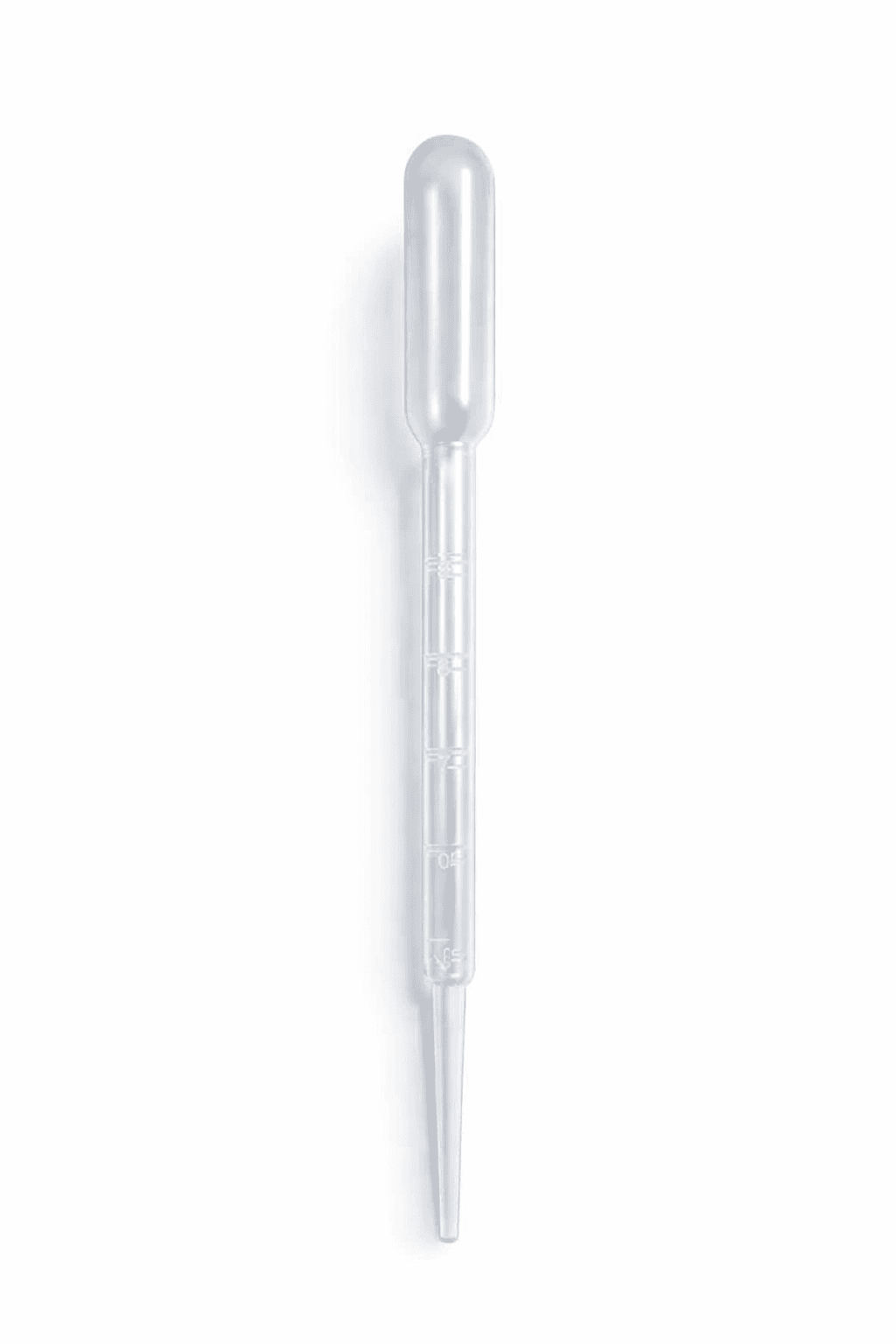
Once separated, the pellet is resuspended in a wash medium — Paras Enterprise's Enhance semen wash medium (5 mL x 10 pieces) is one option used at this step. Most of the small-volume transfers throughout — layering gradients, moving wash media — are done with disposable Pasteur pipettes; Paras Enterprise supplies these in 1 mL and 3 mL sterile individual packs. View product →
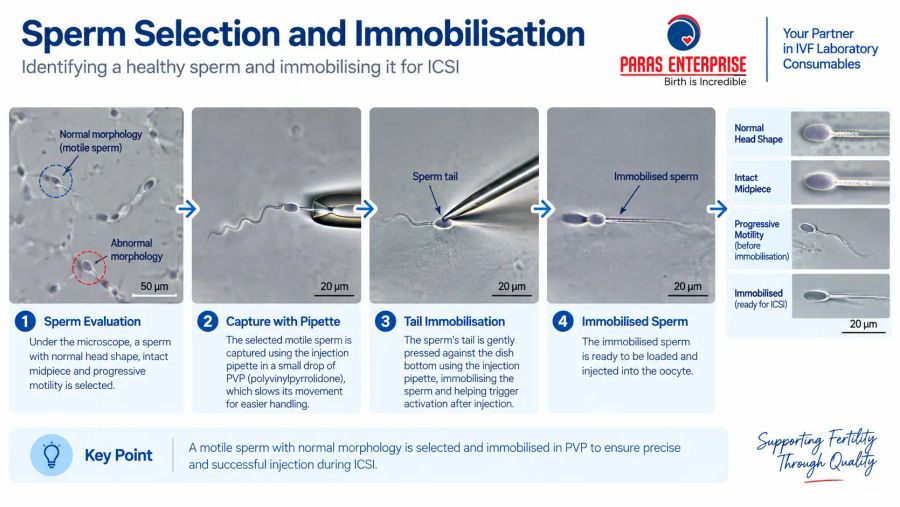
Sperm selection and immobilisation. Under the microscope, the embryologist scans for a sperm with normal head shape, an intact midpiece, and progressive motility. This happens in a viscous drop of polyvinylpyrrolidone (PVP), which slows sperm movement enough to isolate and capture one cell cleanly. The selected sperm's tail is then pressed against the dish bottom using the injection pipette — this immobilises it and helps trigger activation after injection.
The injection pipette's tip geometry matters directly here. Paras Enterprise's ICSI Injection Micropipette has a bevelled tip with spike, 5–8 μm inner diameter, 600-micrometre taper length at ±5% tolerance, and a heat-polished, gamma-sterilized base. View product →
ICSI Dish Setup
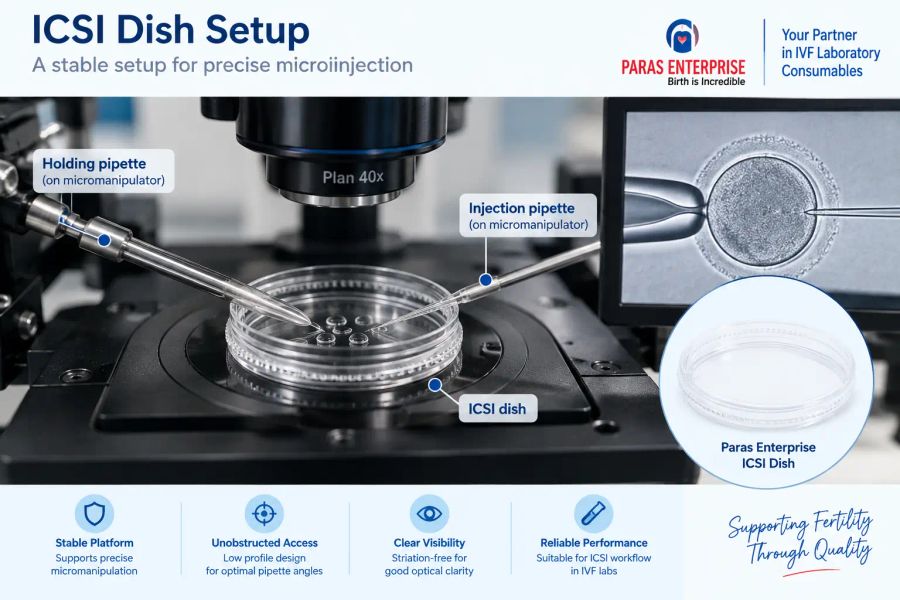
Everything above converges at the micromanipulation station — a heated microscope stage with a micromanipulator for sub-micron pipette control. The working dish sits under the objective for the entire procedure, and its geometry affects the whole session: a dish that's too tall, or whose walls interfere with pipette angles, forces the embryologist to work around the equipment rather than with it.
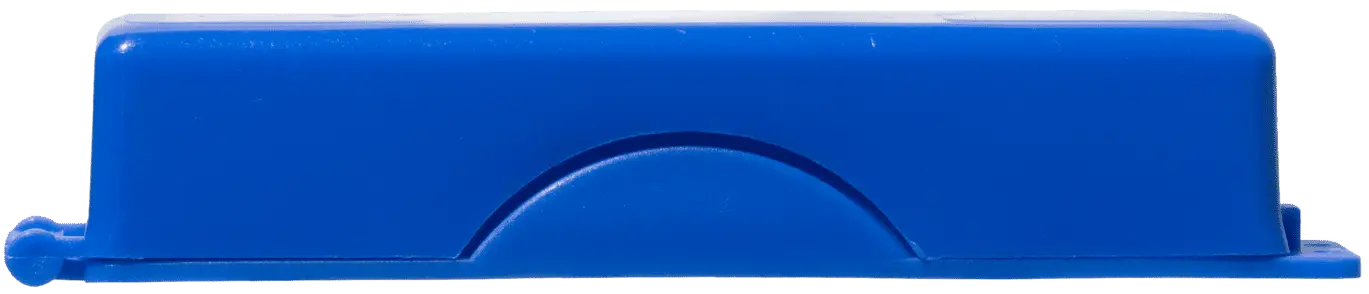
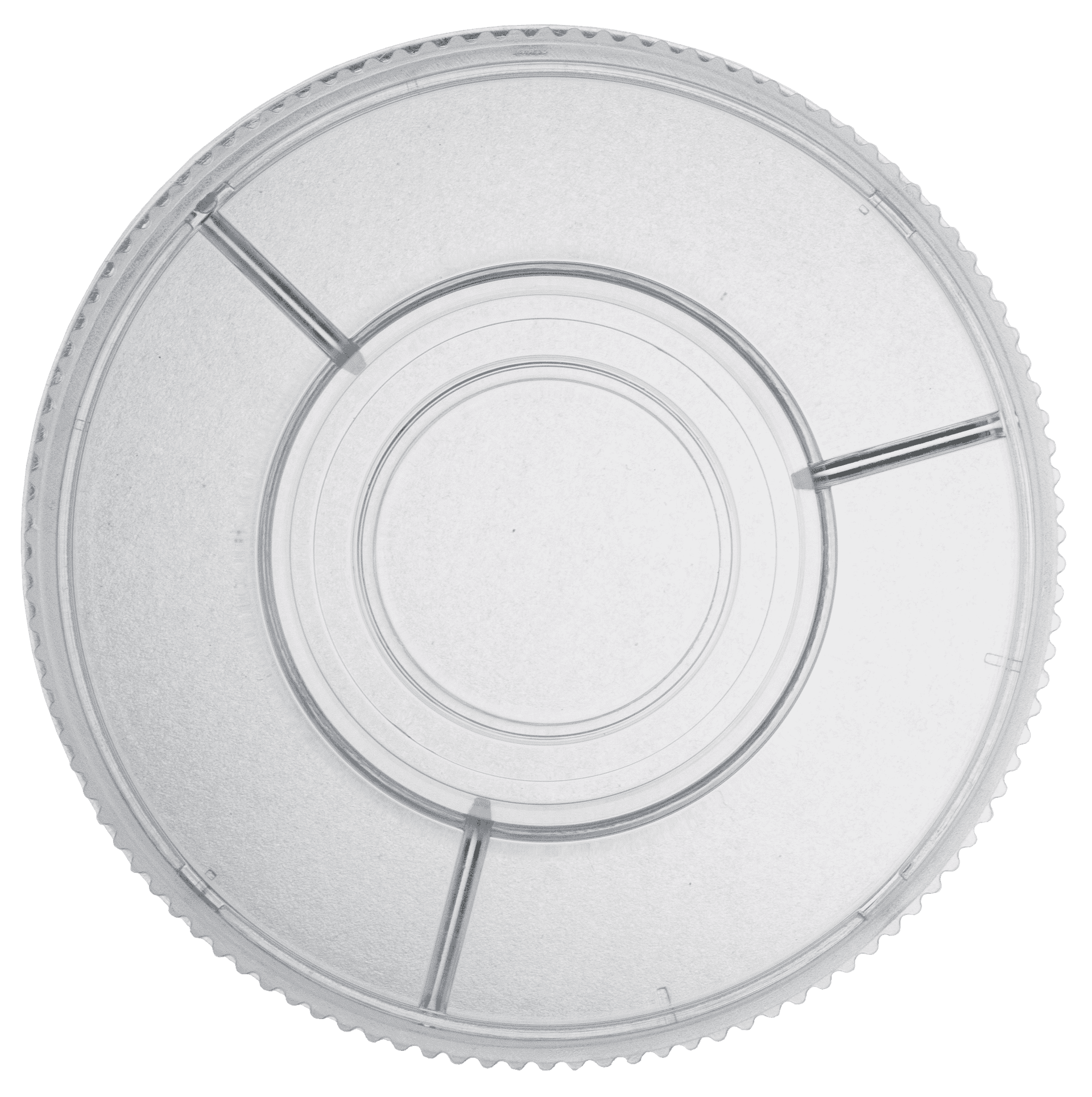
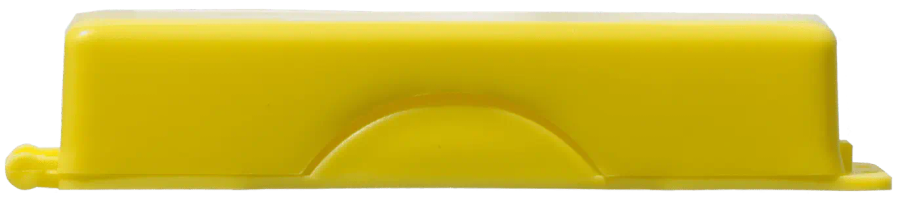
This is where a purpose-built ICSI dish matters. Paras Enterprise's 50mm ICSI Dish is a low-profile design (50mm x 10mm) with a true flat bottom and special grip, gamma sterilized with MEA certification and a 5-year shelf life. View product →
Oocyte Holding, Sperm Loading & Microinjection
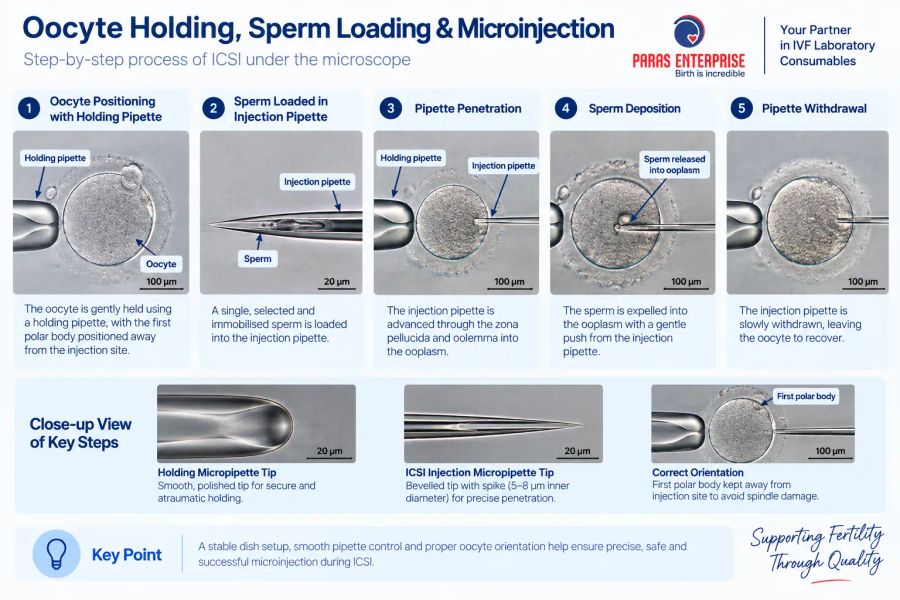
With the dish set up, the embryologist positions an oocyte on one side of the micromanipulator using a holding pipette, applying gentle suction to secure it and rotate the polar body away from the injection site — reducing the risk of disrupting the meiotic spindle.
Holding requires a smooth, evenly finished tip that grips without damaging the oocyte surface. Paras Enterprise's Holding Micropipette comes in straight and 15°–35° angled configurations, with an 80–120 μm outer / 15–20 μm inner diameter, borosilicate glass, gamma sterilized and MEA-tested. View product →
With the sperm already loaded in the injection pipette from the selection step, the embryologist advances it through the zona pellucida and oolemma, deposits the sperm into the ooplasm, and withdraws — typically a few seconds per oocyte. The consistency of dish angle, pipette tip, and oocyte stability set up in the previous steps is what makes this moment work smoothly and repeatably across every oocyte in the cycle.
Post-Injection Handling & Embryo Culture
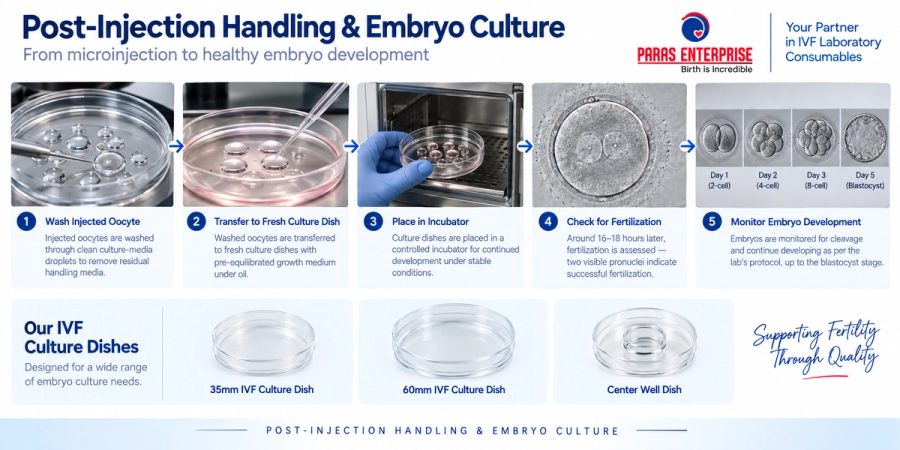
Injected oocytes are washed through clean media drops to remove residual handling media, then transferred to fresh culture dishes with pre-equilibrated growth media under oil, and returned to the incubator. The lab checks for fertilization — two visible pronuclei — around 16–18 hours later, then continues monitoring cleavage and, depending on protocol, blastocyst development.
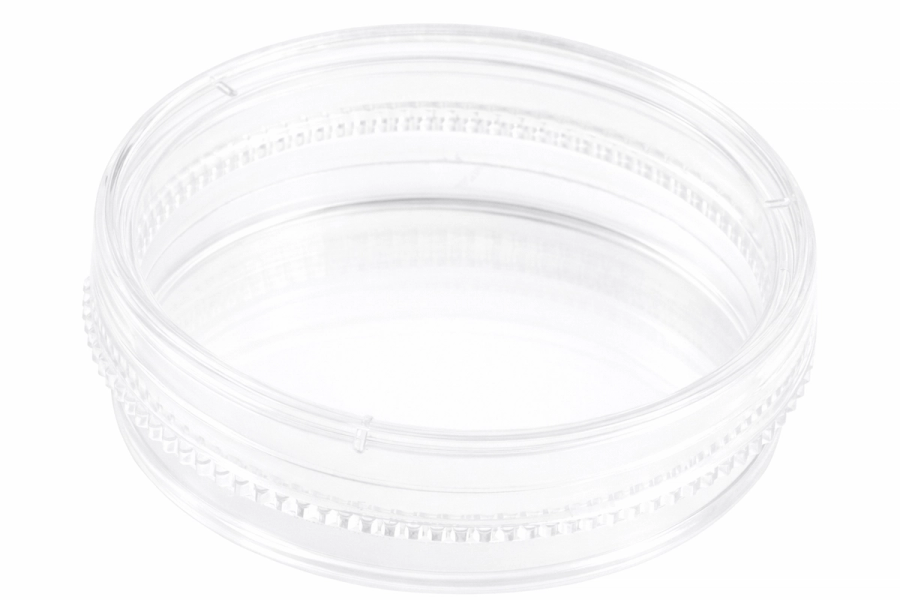
Dish choice at this stage depends on the lab's protocol. For individual or small-volume culture, Paras Enterprise's 35mm IVF Culture Dish offers a compact 35mm x 13mm footprint with striation-free clarity. View product →
For larger batches or more working area, the 60mm IVF Culture Dish (60mm x 15mm, gamma + MEA certified) fits the same requirement at scale. View product →
Where a dish with a dedicated central well and separate wash compartments is preferred, the Center Well Dish offers that layout with an air-vent system for gas exchange. View product →
ICSI Consumables at a Glance
STAGE: SPERM PREPARATION
Consumable: Round Bottom Tube
Purpose: Sample handling during separation
Paras Enterprise Product: 5 mL Round Bottom Tube
STAGE: SPERM PREPARATION
Consumable: Gradient Medium
Purpose: Sperm separation
Paras Enterprise Product: Den-I
STAGE: SPERM HANDLING
Consumable: Pasteur Pipette
Purpose: Small-volume fluid transfers
Paras Enterprise Product: Pasteur Pipette (1 mL / 3 mL)
STAGE: SPERM SELECTION
Consumable: Injection Micropipette
Purpose: Sperm selection and immobilisation
Paras Enterprise Product: ICSI Injection Micropipette
STAGE: ICSI / MICROmanipulation
Consumable: ICSI Dish
Purpose: Provides the working surface for microinjection
Paras Enterprise Product: 50 mm ICSI Dish
STAGE: OOCYTE HANDLING
Consumable: Holding Micropipette
Purpose: Secures and positions the oocyte during injection
Paras Enterprise Product: Holding Micropipette
STAGE: POST-INJECTION CULTURE
Consumable: Culture Dish
Purpose: Supports embryo culture and observation
Paras Enterprise Product: 35 mm / 60 mm IVF Culture Dish, Center Well Dish
Sourcing ICSI Consumables
Paras Enterprise supplies the dishes, micropipettes, tubes and wash media referenced above to fertility clinics and embryology labs across Ahmedabad, Gujarat and India, including for bulk and distributor orders.
Looking for ICSI or embryology consumables? Browse the full range or contact our team for specifications and availability.

Partner With Paras Enterprise for Your IVF and IUI Consumable Needs
At Paras Enterprise, our mission is simple — empower every IVF lab with the best tools available so that more patients can experience the joy of parenthood.
If you are looking for a trusted dealer in Ahmedabad or across India, we would love to hear from you.
Contact Paras Enterprise today — request a quote, download our catalogue, or simply ask our team a question. We are here to support your lab.